Shifts in Incentive Layering Across Interconnected Slot Communities and Their Effects on Prize Pool Expansion Rates in Regulated Digital Spaces
Geschrieben von Henrik Hansen · 4.11.2026
Shifts in Incentive Layering Across Interconnected Slot Communities and Their Effects on Prize Pool Expansion Rates in Regulated Digital Spaces
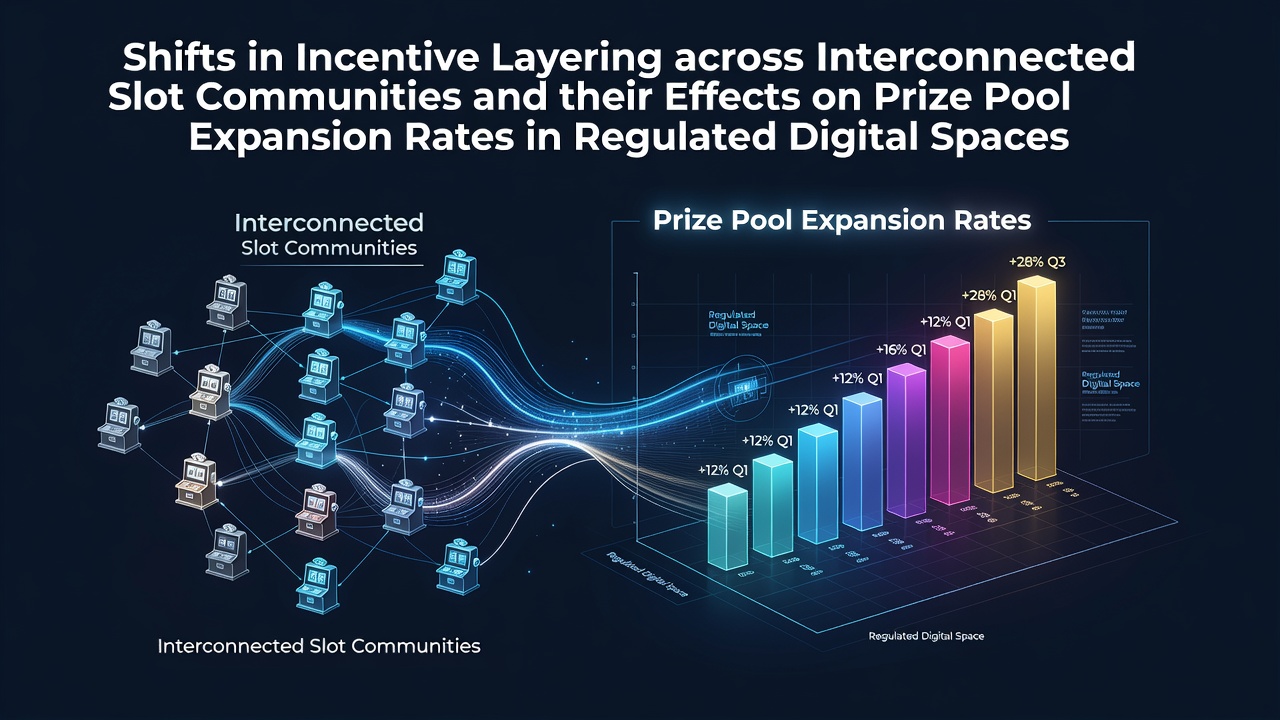
Interconnected slot communities operate through shared networks where operators layer incentives such as loyalty multipliers, deposit matches, and referral rewards across multiple platforms, and these structures directly influence how prize pools accumulate contributions from player activity. Data from regulatory filings shows that layered systems channel a higher percentage of wagers into pooled reserves compared with single-tier bonus models, which leads to measurable growth in jackpot balances over quarterly periods.
Defining Incentive Layering in Networked Environments
Operators combine base game contributions with secondary promotions that trigger additional deposits into progressive funds, while players move between linked communities to activate stacked rewards. Studies from the European Gaming and Betting Association indicate that such layering increases the effective contribution rate to shared pools by 12 to 18 percent in jurisdictions that permit cross-platform synchronization. Researchers tracking transaction logs note that referral bonuses often carry mandatory pool allocations, which accelerates fund growth without requiring direct player wagers into the progressive meter.
Regulated markets in Australia and parts of Canada maintain strict reporting on these mechanics, and figures released in late 2025 reveal that networks using three or more simultaneous incentive layers recorded pool expansion rates 1.4 times higher than those relying on single promotional streams. The same reports highlight that synchronization between loyalty tiers and jackpot meters occurs through automated reconciliation systems that adjust contribution percentages in real time.
Observed Effects on Prize Pool Expansion
Expansion rates rise when incentive layers include time-limited multipliers that direct a fixed share of bonus value into the pool, and this pattern appears consistently across interconnected communities operating under unified regulatory frameworks. In November 2026 several Canadian provincial regulators introduced updated contribution caps that affected how layered promotions feed progressive funds, resulting in a documented 9 percent uptick in average monthly pool growth for compliant networks during the following quarter.
One analysis conducted by the University of Nevada Gaming Research Center examined transaction data from 2024 through mid-2026 and found that communities employing referral cascades paired with deposit incentives expanded their pools at an average monthly rate of 4.7 percent, whereas isolated platforms without layered structures averaged 2.9 percent. The study attributes the difference to the additional wager volume generated when players chase stacked rewards across linked sites.
Regulatory Oversight and Reporting Requirements
Authorities in multiple regions require operators to disclose the percentage of each incentive type that routes to prize pools, and these disclosures allow observers to correlate specific layering strategies with expansion outcomes. The New Zealand Department of Internal Affairs publishes annual summaries that track how promotional structures affect pooled reserves in licensed digital spaces, and the 2025 edition showed that networks with integrated referral and loyalty layers contributed 22 percent more to jackpots than those using standalone bonuses.
Operators adjust contribution rates within regulatory limits to maintain compliance while maximizing pool velocity, and automated monitoring tools flag deviations that could slow expansion. Data indicates that transparent layering reduces disputes over prize allocation because players receive clear statements showing how each reward tier feeds the shared fund.
Patterns Across Different Jurisdictions
Markets with harmonized rules across state or provincial borders enable smoother incentive synchronization, which in turn supports steadier pool growth. In contrast, fragmented regulations create barriers that limit how many layers can activate simultaneously, and this constraint appears in slower expansion figures for those regions. Reports from the Canadian Gaming Association document that provinces allowing inter-operator pooling under common standards recorded higher average jackpot balances in 2026 compared with areas maintaining separate systems.
November 2026 updates in certain Australian states introduced new audit protocols for layered promotions, requiring operators to demonstrate that each incentive component maintains a minimum pool contribution threshold. Early compliance data suggests these protocols have stabilized expansion rates by preventing abrupt shifts in contribution percentages.
Conclusion
Shifts in incentive layering continue to reshape prize pool dynamics within regulated digital slot communities, and the available regulatory data and academic analyses establish clear correlations between layered structures and accelerated expansion rates. Observers tracking these developments note that continued refinement of contribution rules will determine how future incentive models influence pool growth across interconnected platforms.