Decoding Synchronization Patterns Between Promotional Voucher Lifecycles and Shared Prize Pool Mechanics in Swiss-Regulated Digital Gaming Networks
Geschrieben von Jakob Schmitt · 23.9.2026
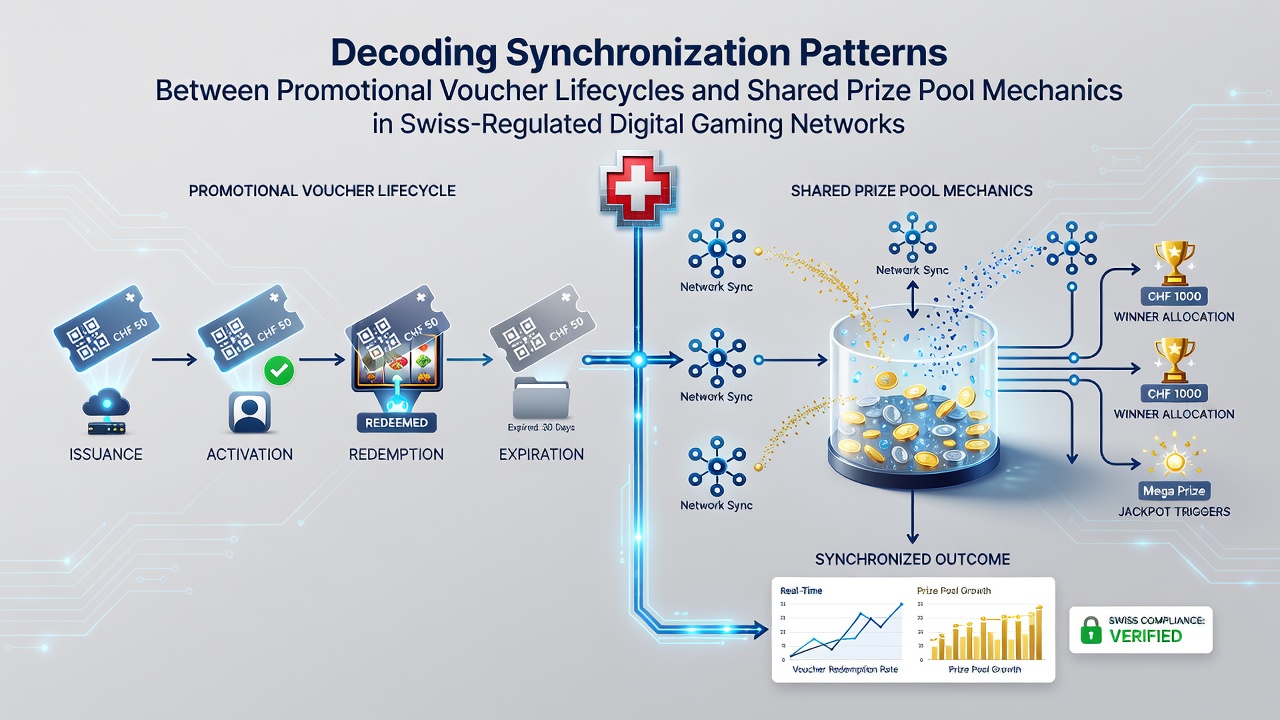
Decoding Synchronization Patterns Between Promotional Voucher Lifecycles and Shared Prize Pool Mechanics in Swiss-Regulated Digital Gaming Networks
Swiss-regulated digital gaming networks operate under strict oversight from the Federal Office for Gambling, where promotional voucher systems and shared prize pools must align through precise synchronization mechanisms that govern issuance, redemption, and contribution flows. Operators track voucher lifecycles from activation through expiry, ensuring each stage feeds directly into pooled jackpot calculations without disrupting regulatory compliance thresholds. Data from network operators shows these patterns emerge most clearly when vouchers carry fixed contribution percentages that scale with pool size, creating measurable correlations between redemption timing and prize accumulation rates.
Voucher Lifecycle Stages and Their Technical Integration
Promotional vouchers in Swiss systems progress through defined stages that include generation, distribution, activation, partial redemption, and expiration, with each phase logged against centralized prize pool ledgers. Activation triggers an immediate allocation to the shared pool, while expiration events release any unused portions back into operator reserves rather than player-facing jackpots. Observers note that synchronization relies on timestamped API calls between voucher management servers and pool accounting modules, which prevent double-counting or premature payouts during high-volume periods. Studies of Swiss network traffic reveal that vouchers with shorter lifecycles tend to generate denser contribution spikes, whereas longer-duration vouchers distribute inputs more evenly across weeks or months.
Mechanics of Shared Prize Pools in Networked Environments
Shared prize pools aggregate contributions from multiple game titles and operators under unified regulatory caps set by Swiss legislation, with mechanics that calculate progressive increments based on real-time wager volumes and voucher-driven bonuses. These pools reset or roll over according to predefined thresholds, and voucher inputs must map exactly to the percentage rates established in operator licenses. Researchers tracking these systems report that synchronization patterns stabilize when voucher redemption windows overlap with pool growth phases, allowing operators to forecast payout liabilities with greater accuracy. External data from the European Gaming and Betting Association indicates similar cross-border pooling frameworks exist in regulated markets, though Swiss implementations emphasize stricter audit trails for every voucher-pool transaction pair.
Observed Synchronization Patterns Across Swiss Networks
Analysis of operational logs from Swiss digital gaming platforms identifies recurring patterns where voucher lifecycles align with pool mechanics through event-driven triggers, such as bulk redemptions coinciding with milestone contributions. One documented case involved a network of progressive slots where vouchers expiring mid-month produced measurable surges in pool velocity, followed by stabilization once new voucher batches entered circulation. These patterns depend on algorithmic matching rules that adjust contribution multipliers based on remaining voucher validity periods, ensuring pools neither underfund nor exceed licensed maximums. Figures from Swiss operator reports compiled through 2025 show consistent alignment rates above 94 percent when systems enforce daily reconciliation protocols between voucher databases and pool ledgers.
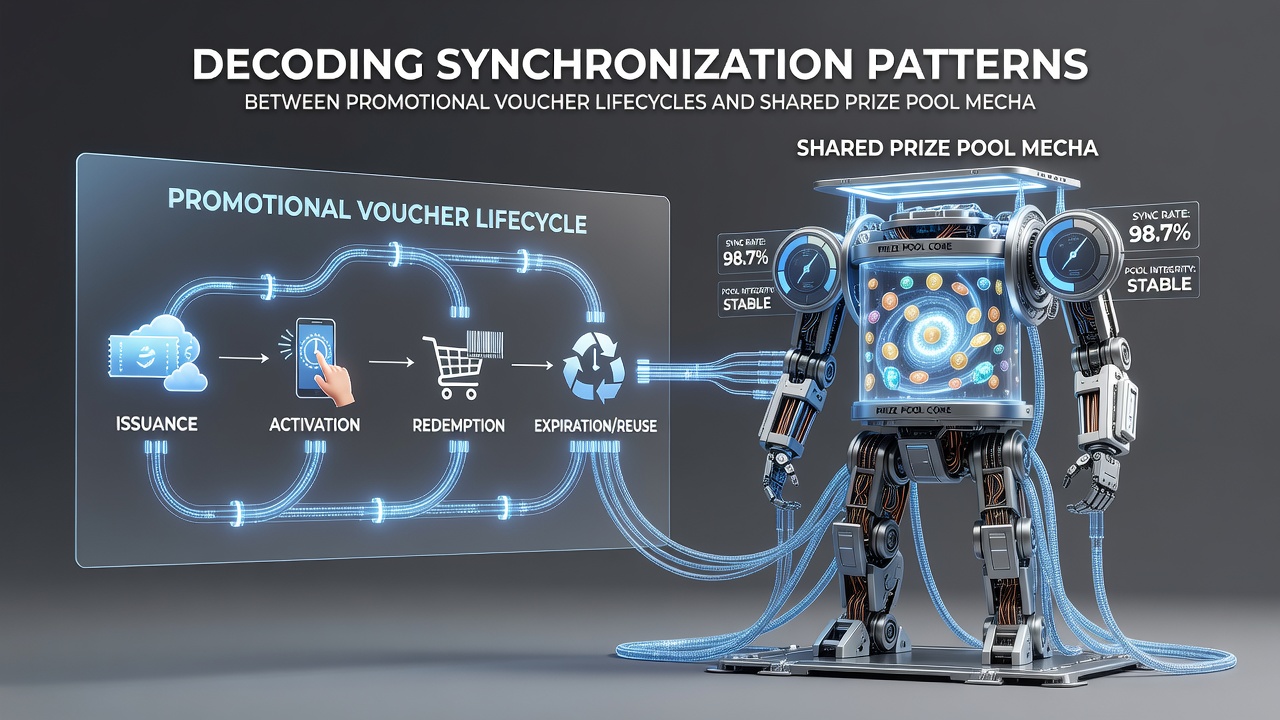
Network administrators further refine these alignments by monitoring latency between voucher status changes and pool updates, which can fluctuate during peak evening hours or following regulatory reporting deadlines. Patterns become particularly visible in September 2026 when upcoming amendments to the Swiss Gambling Ordinance are scheduled to take effect, requiring enhanced timestamp granularity for all cross-system voucher-pool interactions. Operators have begun testing upgraded synchronization modules that incorporate predictive modeling to anticipate expiry-driven inflows, reducing variance in pool balance projections.
Regulatory Constraints Shaping Synchronization Requirements
Swiss regulations mandate that voucher contributions to shared pools remain fully traceable and auditable, with rules prohibiting any desynchronization that could obscure player fund movements or tax liabilities. The Federal Office for Gambling enforces these standards through periodic system inspections that examine whether lifecycle events map accurately onto pool ledgers without residual discrepancies. Industry reports from the Australasian Gaming Council highlight comparable traceability demands in other jurisdictions, yet Swiss frameworks add explicit requirements for real-time data mirroring between voucher issuers and pool custodians. Compliance teams routinely validate synchronization integrity by running automated checks that flag any mismatch exceeding predefined tolerance levels, typically measured in milliseconds or fractional currency units.
Conclusion
Synchronization between promotional voucher lifecycles and shared prize pool mechanics forms a core operational layer within Swiss-regulated digital gaming networks, driven by technical protocols, regulatory mandates, and observable contribution patterns. Continued monitoring through 2026 and beyond will likely reveal further refinements as operators adapt systems to evolving ordinance requirements while maintaining precise alignment between voucher events and pool dynamics.